The World Marked Coming Out Day: How Openness Changed History
12.10.2026


On October 11, the world observes National Coming Out Day, a day dedicated to the visibility of LGBTIQ+ people and their right to decide for themselves whom to tell about their sexual orientation or gender identity, and when.
What Is Coming Out, and Where Does the Term Come From?
Coming out is the voluntary disclosure of one’s sexual orientation, gender identity, or intersex status to other people. It may involve a conversation with loved ones, telling colleagues, making a public statement, or gradually becoming more open about this part of one’s life in different social settings.
The expression comes from the English phrase coming out of the closet, meaning to stop hiding one’s identity.
However, the history of the term is more complex. In the first half of the 20th century, coming out in American gay culture referred to entering the gay community, including becoming involved in its social life. Over time, the expression acquired its modern meaning: openly disclosing one’s identity to people outside the community.
Coming out does not necessarily happen just once. A person may be open with friends but not with their employer, relatives, or religious community. After changing jobs, moving, or meeting new people, the question of disclosing one’s identity may arise again. This is why it is important to understand the challenges LGBTIQ+ people face: in practice, they may have to come out repeatedly whenever they enter a new community or social circle and want to be open about who they are.
How National Coming Out Day Began
National Coming Out Day was established in the United States in 1988. It was initiated by psychologist Robert Eichberg and LGBTQ+ rights activist Jean O’Leary.
October 11 was chosen to commemorate the Second National March on Washington for Lesbian and Gay Rights, held on October 11, 1987. This large-scale demonstration became one of the defining events of the American LGBTIQ+ movement, bringing together demands for equal rights, protection against discrimination, and an adequate government response to the HIV/AIDS epidemic.
The idea behind the new observance was to make LGBTIQ+ visibility part of broader social change. Its founders believed that personally knowing openly LGBTIQ+ people could help challenge stereotypes and prejudice.
Over time, Coming Out Day began to be observed outside the United States as well. Today, it concerns not only openness but also every person’s right to decide for themselves whether disclosing their identity is safe.
Famous Coming-Out Stories: From Karl Heinrich Ulrichs to Elliot Page
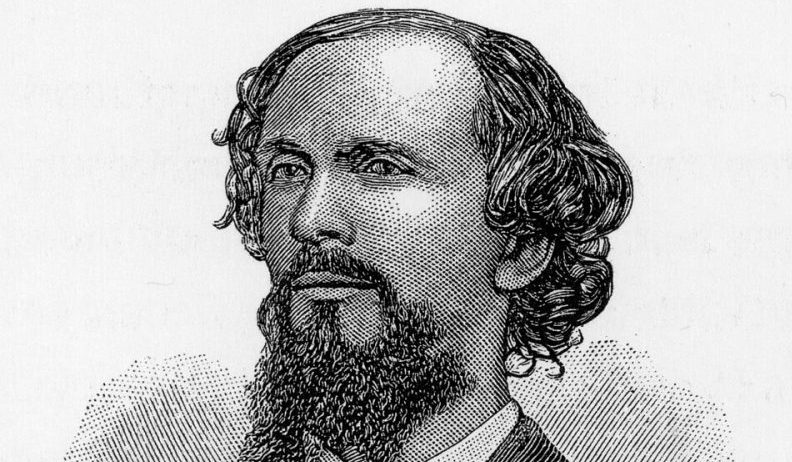
One of the earliest documented examples of a public coming out in the modern sense is considered to be a speech delivered by German lawyer Karl Heinrich Ulrichs in 1867. At a congress of German jurists in Munich, he spoke in defense of men who had romantic and sexual relationships with other men and called for an end to their criminal prosecution. Ulrichs openly identified himself as belonging to this group, although his speech was interrupted by outraged delegates. He later continued publishing works defending the rights of homosexual people under his own name.
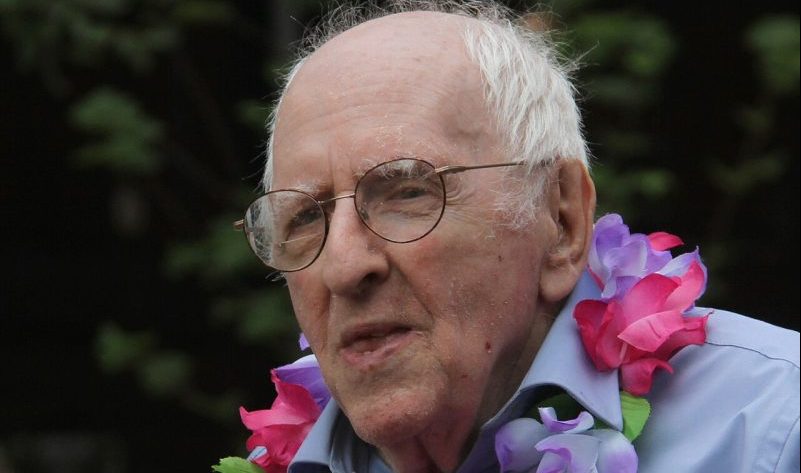
Another example was American civil rights activist Frank Kameny, who in 1971 became the first openly gay man to run for the U.S. Congress. He ran for the position of the District of Columbia’s delegate to the House of Representatives. Kameny did not win, but his campaign set a precedent for openly gay political participation in the United States.
Wikipedia
Earlier, after being dismissed from government service because of his sexual orientation, he began decades of civil rights activism and later contributed to efforts to remove homosexuality from the American Psychiatric Association’s classification of mental disorders.
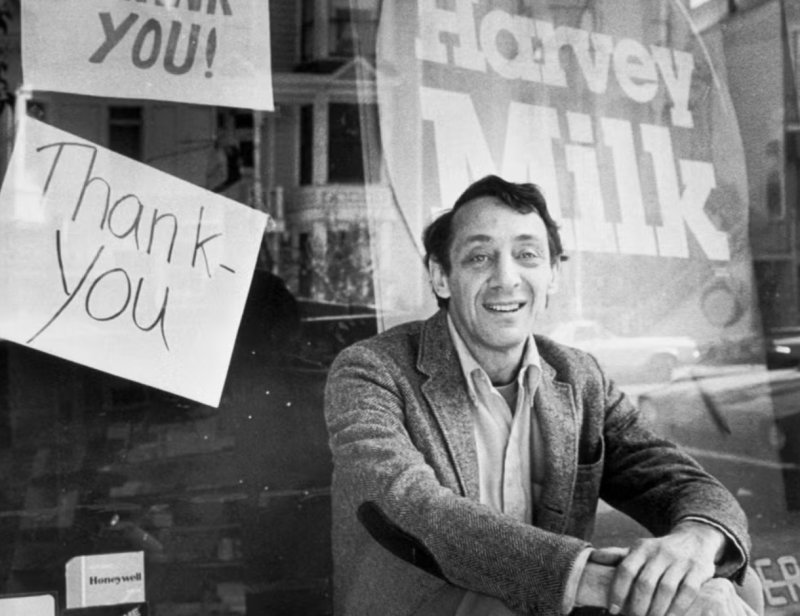
Harvey Milk holds a particularly important place in the history of LGBTIQ+ political visibility. In 1977, he won a seat on the San Francisco Board of Supervisors, becoming the first openly gay man elected to public office in California and one of the first in the United States.
Getty Images
Milk began his political career in 1973, when he first ran for the Board of Supervisors. His campaigns focused not only on LGBTIQ+ rights but also on neighborhood development, housing affordability, and protecting the interests of local communities. At the same time, Milk made a point of not hiding his sexual orientation and encouraged other gay men and lesbians to be open about their identities, including those working on his campaign.
After his election, he supported the adoption of citywide anti-discrimination legislation and actively opposed California’s Proposition 6, which would have allowed gay and lesbian employees to be dismissed from public schools. The initiative was rejected in a referendum in November 1978.
On November 27, 1978, Harvey Milk and San Francisco Mayor George Moscone were shot and killed by former city supervisor Dan White. Milk’s political career lasted less than a year after his election, but his work became a symbol of open LGBTIQ+ representation in politics.
One of the most famous public coming-outs was that of American actress and television host Ellen DeGeneres in 1997. She came out as gay in an interview with TIME magazine, while her character in the television series Ellen also came out. This was a significant moment for American television, where openly LGBTIQ+ lead characters were still rare at the time.

storriss.com
In 2013, basketball player Jason Collins publicly came out as gay, becoming the first openly gay active player in any of North America’s four major men’s professional sports leagues. His decision drew attention to homophobia and the barriers faced by openly LGBTIQ+ athletes.
In 2020, actor Elliot Page announced that he was a transgender man. His coming out became one of the most prominent public stories of transgender visibility in the global film industry.

Consequence.net
Coming In: Being Open Within One’s Inner Circle
Alongside coming out, the term coming in is sometimes used. In the context of selective disclosure, it describes a situation in which a person shares their sexual orientation or gender identity only with those closest to them, without making that information public. However, this is not a universally accepted term with a single established definition. In different communities, coming in may also refer to the process of internally accepting one’s identity.
This approach may be particularly relevant for people from conservative or religious backgrounds, where openness can carry the risk of condemnation, alienation, or losing the support of their community. A person may confide in certain friends, relatives, or members of their religious community without being ready for broader disclosure.
Selective openness does not mean that someone hides their identity out of shame or has not fully accepted themselves. It can be a conscious way of preserving personal relationships, privacy, and safety.
What matters most is a person’s right to determine the boundaries of their own openness. Even if someone tells a few close people about their identity, this does not mean they have consented to that information being shared further.
Outing: When Someone’s Identity Is Disclosed Without Consent
Unlike coming out, outing is the disclosure of someone’s sexual orientation or gender identity without their consent. This is not limited to publications in the media or on social networks. Outing can also involve telling someone’s relatives, colleagues, employer, or members of their religious community when that person has not given permission for the information to be shared.
Outing violates a person’s right to privacy and can have serious consequences, ranging from damaged relationships with loved ones and workplace discrimination to harassment, violence, or loss of housing. It can be particularly dangerous for minors, financially dependent people, and those living in environments hostile to LGBTIQ+ people.
At the same time, there have been cases in the history of the LGBTIQ+ movement when outing was used as a tool of political protest.
In the late 1980s and early 1990s, some activists in the United States considered it acceptable to disclose information about the sexual orientation of public figures who supported homophobic political policies. Their reasoning was that doing so could expose contradictions between politicians’ private lives and their public positions.
For example, in 1989, activist Michael Petrelis and his fellow activists publicly made claims about the sexual orientation of Senator Mark Hatfield, who supported legislation restricting the rights of LGBTIQ+ people.
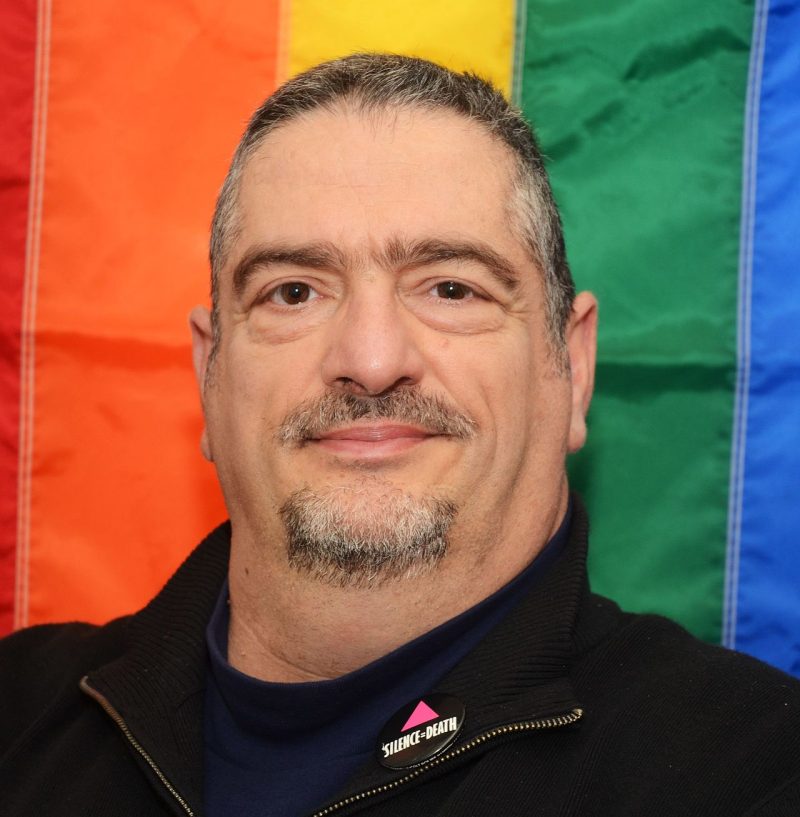
mpetrelis.blogspot.com
In the early 1990s, journalist Michelangelo Signorile also published articles about the private lives of influential Americans, including public officials, amid debates over the ban on openly gay men and lesbians serving in the U.S. military.
Such practices sparked controversy even within the LGBTIQ+ movement. Supporters invoked the public interest and the need to expose political hypocrisy. Critics argued that forcibly disclosing someone’s identity replicated the mechanisms of blackmail and effectively used homosexuality as a means of discrediting people.
The Right to Come Out Also Means the Right Not to
National Coming Out Day is dedicated to the visibility of LGBTIQ+ people, but openness cannot be an obligation or a criterion for belonging to the community.
For some people, coming out creates an opportunity to build relationships openly, talk about their lives, and participate in public life. For others, the decision to remain private is connected to legitimate risks of discrimination, violence, or loss of support.
Respecting a person means not only supporting their decision to come out but also respecting their confidentiality when they are not ready to be open.
News